
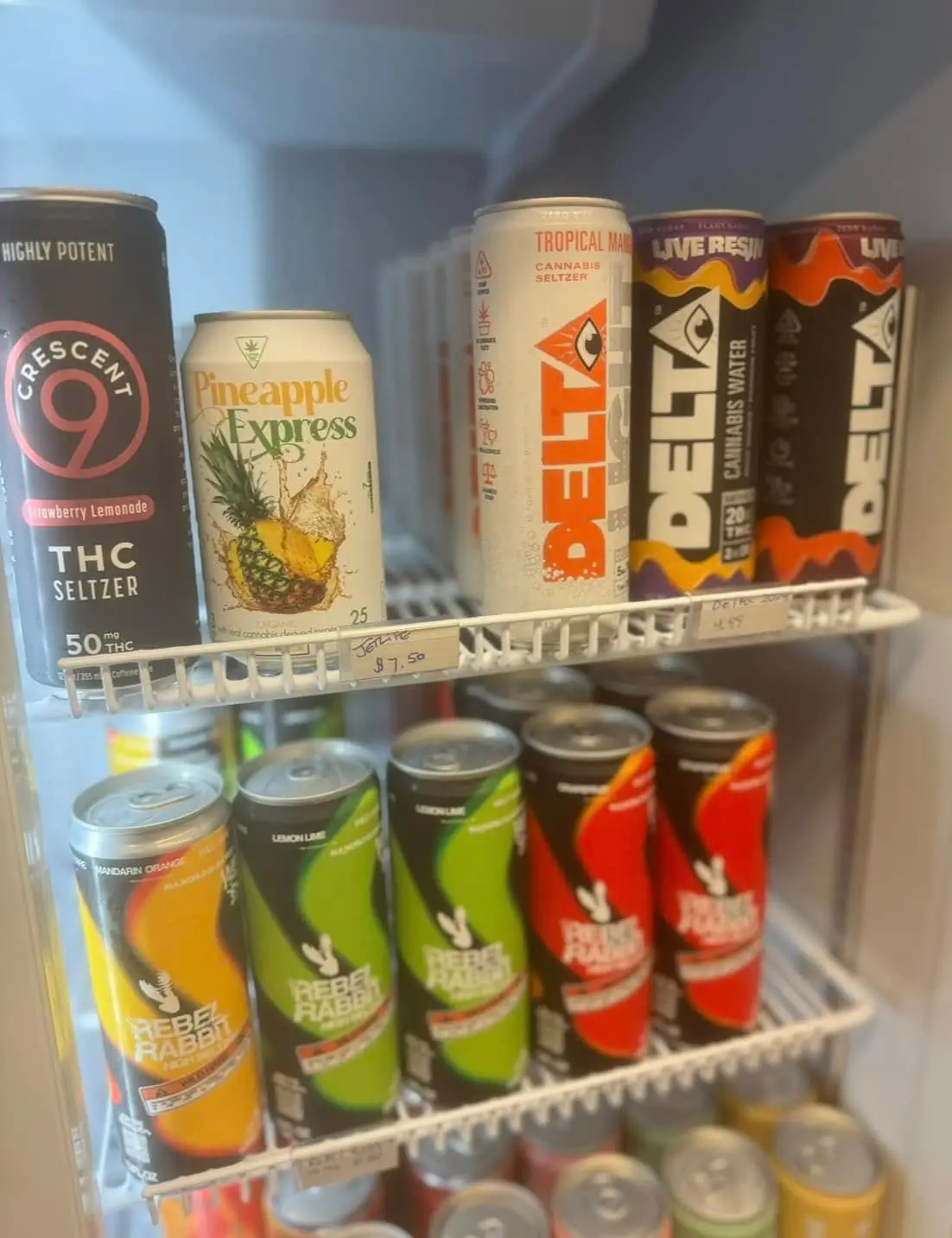
Imagine the familiar clinking of glass at a festive backyard gathering or the crisp sound of a metal tab snapping open at a crowded summer festival. For many years, people tied these social cues to a very specific and limited menu of beverages, but today’s celebration culture is undergoing a significant and colorful transformation. Today, many people are looking beyond the traditional spirits of the past, opting instead for botanical infusions (THC drinks & beverages) that prioritize a bright, clear-headed experience without the heavy aftermath of the next morning. It is an era where the ritual of the toast remains a central part of our connection to one another, but the contents of the can have become much more refreshing and sophisticated. This shift represents a new way to integrate relaxation into our personal and social lives, creating a space where flavor and feeling meet in perfect harmony.
The Bio-Chemistry of the Spark
Before anyone can truly appreciate the craftsmanship involved in a modern infusion, it is vital to have a solid grasp of the star component that makes these refreshments possible: Tetrahydrocannabinol (THC) – the primary psychoactive compound that lives within the cannabis plant, and it is the specific element that creates those sought-after sensations of lightheartedness and a shifted perspective on the world around us. When a person takes a sip of one of these drinks, the THC begins a fascinating interaction with the endocannabinoid system, which is a massive and complex network of cell-signaling receptors that spans the entire human body. This system is a key player in maintaining internal balance and regulating a wide variety of physiological processes that we often take for granted.
How THC Interacts with the Body
The endocannabinoid system (ECS) consists of receptors, enzymes, and the cannabinoids our own bodies naturally produce, such as anandamide. Tetrahydrocannabinol has a unique molecular shape that is remarkably similar to these natural compounds, which acts as a master key that fits perfectly into the CB1 receptors found throughout the brain and the central nervous system. When the THC binds to these receptors, it mimics our internal chemistry but produces effects that are much more noticeable and long-lasting. This interaction is the very reason why THC has been a point of scientific study for such a long time, as it holds the secret to how we perceive mood, flavor, and time.
Understanding Effects and Responsible Consumption
People rarely experience THC drinks and beverages the same way, as a wide range of factors influence the effects, including an individual’s biology, their previous history with the plant, and their current state of mind.. In most cases, these drinks that contain Tetrahydrocannabinol lead to a feeling of joyful contentment and a physical sense of relaxation. Many people who explore THC-infused options notice that their senses become more attuned to their surroundings, where a song might sound more layered or a sunset might appear with more vibrant and resonant colors.
It is also important to note that these drinks are biphasic, meaning the serving size matters greatly. A smaller amount in THC drinks and beverages often produces a gentle sense of bliss, while a much larger serving can cause a feeling of being overwhelmed or uneasy. Following the wise path of starting with a light serving of these drinks and waiting to see the results is the best way for anyone to have a positive and rewarding time.
A Shift in Social Sipping
The universe of cannabis has expanded far beyond its traditional roots, and the emergence of THC drinks and beverages is a massive part of that economic and cultural growth. These products have moved out of the fringes and into the mainstream, attracting everyone from busy professionals to retirees who are looking for a more wellness-oriented way to unwind. What makes these drinks so appealing is that they are simply a beverage—such as a soda or a seltzer—that has been infused with a very specific and measured amount of THC. They offer a much more socially acceptable way to partake, as holding a can or a bottle feels natural in almost any setting where people gather to talk and connect.
The legal standing of botanical refreshments in the United States is a sophisticated and constantly shifting topic that requires a bit of research for anyone who wants to stay informed. Because the laws resemble a patchwork that changes once you cross a state line, the legality of a specific drink often rests on the source of the active compound. A massive turning point occurred with the 2018 Farm Bill, which federally legalized hemp and products derived from it, as long as the total concentration of Delta-9 THC remains below 0.3% based on the dry weight of the item. This specific federal move opened a clear pathway for the creation and sale of hemp-based beverages in many regions across the country.
A Flavor Profile for Every Occasion
The sheer variety of options on the market today is enough to suit any palate, and the innovation in flavor is one of the most exciting aspects of this industry. Each category of beverage is designed with a specific mood and setting in mind, making it easy to find a match for whatever your day might hold.
Light and Refreshing Options
Crisp and Refreshing THC Seltzers:
These are among the most popular choices. They appeal to those who want a light, low-calorie drink. Usually sold in slim cans, they resemble alcoholic sparkling waters. They feature gentle carbonation and natural fruit flavors like lime or grapefruit. Most contain lower THC levels, often between 2mg and 5mg. This makes them “sessionable,” allowing multiple servings over time. The result is a mild, social buzz. Because they often use nanoemulsion technology, effects can begin within about fifteen minutes. This makes the experience more predictable.
Purified THC Waters for Clean Hydration:
These drinks focus on simplicity. They are designed for people who prioritize hydration and minimal ingredients. Most remove sugar, calories, and artificial additives. They typically contain purified water and fast-acting THC. Flavor is usually neutral or lightly infused with lemon or cucumber. They work well for calm, focused activities like yoga or light exercise. Many describe the effect as clean and clear-headed.
Bold and Flavorful Experiences
The Nostalgic Sweetness of THC Sodas:
Infused sodas offer bold, dessert-like flavors. Common options include root beer, ginger ale, and orange cream. They are richer than seltzers and often contain higher THC levels. This creates a stronger sense of euphoria. Their branding often uses retro designs, making them feel familiar and fun.
Zesty and Tart THC Lemonades:
THC lemonades combine citrus tartness with subtle botanical notes. This creates a refreshing and balanced flavor. They come in many styles, including sparkling and fruit-blended versions. These drinks are often associated with warm weather and outdoor relaxation. Potency can range from light to strong.
Wellness and Ritual-Based Beverages
The Mindful Ritual of THC Teas:
Infused teas blend traditional wellness with modern formulation. They offer a wide range of flavors and effects. Chamomile or lavender blends are often used for relaxation. Green or black tea varieties may support focus and creativity. These drinks are carefully crafted to preserve delicate flavors. Many people view them as part of a mindful self-care routine.
The Energized Calm of THC Coffee:
THC coffee combines caffeine with cannabis. This creates a balance between stimulation and relaxation. Available as cold brews or ground blends, these drinks can support focus while easing tension. Many describe the effect as “alert but calm.” Brands carefully formulate these products to keep the experience balanced and smooth.
Social and Lifestyle Alternatives
Sophisticated Alcohol-Free Cocktails and Mocktails:
These drinks replicate the cocktail experience without alcohol. They are crafted with botanicals, juices, and extracts. The goal is to create complex, layered flavors. They are meant to be sipped and enjoyed socially. The result feels celebratory but avoids a hangover.
Dealcoholized THC-Infused Wines and Beers:
These products mimic traditional beer and wine. Producers remove alcohol and then add THC. They aim to preserve original flavors, such as hoppy bitterness or fruity notes. When done well, they feel very similar to the originals. They are ideal for social settings where traditional drinks are common.
Flexible and On-the-Go Options
Portable THC Drink Mixes and Enhancers:
These products offer maximum convenience. They usually come as powders or liquid concentrates. They can be added to almost any beverage. This allows full control over flavor and strength. They are easy to carry and ideal for travel or outdoor activities. This flexibility makes them a popular modern choice.
A Legacy of Botanical Infusions
While the sleek cans and colorful bottles we see today feel like a product of the 21st century, the act of consuming cannabis in a liquid form is actually a modern chapter in a very long human story. For many thousands of years, cultures across the globe have been steeping and brewing various plants to unlock their unique properties for use in wellness practices, spiritual ceremonies, and celebrations. These early versions were often quite rustic, made with simple methods that led to flavors that were very earthy and potencies that were often inconsistent.
A more recognizable ancestor to our modern drinks—and today’s THC drinks and beverages—comes from the United States during the 19th and early 20th centuries, before the era of prohibition. During that time, pharmacies commonly sold cannabis tinctures, where producers extracted the active components into alcohol, and people often added a few drops to water or tea.
The revolutionary leap that led to the sophisticated THC drinks and beverages we enjoy today was born from solving a fundamental chemical puzzle: the fact that oil and water naturally refuse to mix. Cannabinoids are oil-based, and for a long time, this made it difficult to create a stable and pleasant beverage. The development of advanced emulsification and nano-technology has been the true catalyst for the current market explosion. These scientific breakthroughs permit the cannabis oil to be seamlessly and stably integrated into a water-based liquid. This innovation, combined with a modern desire for products that are palatable and predictable, is what truly separates today’s seltzers and sodas from any of the liquid preparations that came before them.
The Temporal Shift: Onset and Duration
One of the most notable differences with THC drinks and beverages is how quickly they take effect. Traditional edibles can take over an hour to kick in, which can be frustrating or uncertain for some users. Many of these drinks use nano-technology, which leads to a faster onset. This quicker timing helps people better understand how they are feeling. It also supports more informed decisions about additional consumption. As a result, the risk of an overwhelming experience is reduced. The experience tends to feel more manageable. The sensation is often described as “sessionable.” It can provide a gentle uplift and a calm sense of euphoria. The effects also typically last a shorter time than traditional solid edibles. This can be ideal for social events where users want a temporary buzz.
Overall, this predictability makes it easier to fit into a busy modern schedule.
The appeal of THC drinks and beverages is broad. They attract a wide range of adults seeking a refreshing and controlled experience. For those who are “canna-curious,” these drinks are often an easy entry point. They feel less intimidating than smoking or vaping. The familiar format of a can or bottle makes the experience approachable. It is simple to understand and use. This lowers barriers that might otherwise prevent exploration. This group often prefers a gentle introduction. They also tend to choose options that fit naturally into their existing social habits. Beyond those new to the plant, THC drinks and beverages are popular among people seeking an alternative to alcohol.
This includes those who are “California sober” or “sober curious.” They want a way to socialize and unwind without the aftereffects of drinking. Health-conscious consumers are also drawn to low-sugar and low-calorie options. Many of these products are now widely available. This audience spans young professionals, busy parents, and retirees. It shows that the desire for a controlled, mild buzz is fairly widespread. Marketers have noticed this trend. They often position seltzers and infused waters as tools for mindful social connection. These products are also aligned with a wellness-focused lifestyle.
The Engineering of the Infusion
The stability and effectiveness of THC drinks and beverages come from careful formulation science. The main challenge is that the active compound is oil-based, while the drink itself is water-based. Because oil and water do not naturally mix, emulsification is required. This process uses specialized agents to break the oil into tiny droplets. These droplets are then evenly distributed throughout the liquid. This prevents separation. Without it, the oil would float to the top. The result would be an uneven and unappealing product.
Standard Emulsions and Their Limitations
A standard emulsion breaks oil into small droplets. However, these droplets are still relatively large on a molecular scale in THC drinks and beverages. This is an improvement over simply mixing oil and water. However, absorption can still be slow and less predictable. The body must break down these larger droplets before the active compounds can be absorbed into the bloodstream. This often leads to a delayed onset. It can feel similar to a traditional edible. In fast-paced social settings, this may not match what some consumers are looking for.
The Rise of Nano-Emulsions
This is why nano-emulsion technology has become a game-changer for THC drinks and beverages. A nano-emulsion breaks oil into extremely small particles. These particles are so tiny that the body can absorb them more efficiently. Absorption may occur not only in the digestive tract but also through the soft tissues of the mouth and esophagus. As a result, active ingredients can enter the bloodstream more quickly. Users may feel effects within fifteen to thirty minutes. This faster onset is closer to what people expect from smoking or vaping. It also provides a level of control that traditional edibles typically lack.
Benefits Beyond Speed and Efficiency
The benefits of this technology go beyond speed in THC drinks and beverages. It also improves bioavailability. This means more of the compound is absorbed by the body. As a result, a larger portion of what you consume produces an effect. These drinks can therefore feel more consistent, even at lower doses. This efficiency can make the product more economical. It also helps consumers better predict and manage their experience. This type of engineering has played a major role in making these drinks a staple in the modern market.
How Solubility Works
The term “water-soluble” is often used in marketing. However, it is a simplified way to describe a complex food science process. In reality, cannabinoids are naturally hydrophobic. This means they do not mix with water. If raw oil is added to water, it simply floats on the surface. To overcome this, manufacturers create an oil-in-water nano-emulsion. This process breaks oil into extremely small droplets. These nano-sized particles form a stable dispersion. They remain suspended in the liquid for a long time.
Engineering Stable Nano-Emulsions
Creating these dispersions requires advanced equipment and a strong understanding of molecular chemistry. Manufacturers use high-energy processes such as high-pressure homogenization or ultrasonication to break oil into particles smaller than 100 nanometers. To stabilize this structure, they rely on emulsifiers (surfactants), which are amphiphilic molecules with two functional ends—one that binds to oil and another that binds to water.
How Micelles Form in the Process
During production, surfactant molecules surround each nano-sized oil droplet. The oil-attracting “tail” binds to the cannabinoid compounds, while the water-attracting “head” faces outward to interact with the liquid. This creates a structure known as a micelle, which keeps the mixture stable and uniform. This structure also explains why these beverages behave differently from traditional edibles like brownies or gummies.
Digestion, Absorption, and First-Pass Metabolism
Traditional edibles travel through the digestive system to the liver, where they undergo first-pass metabolism. This process takes time—often up to two hours—and reduces how much of the compound reaches the bloodstream. Nano-emulsions change this pathway by allowing micelles to absorb more efficiently through the mouth and tongue. This helps the active ingredients enter the bloodstream faster, with onset often occurring within ten to twenty minutes.
Bioavailability and Dose Efficiency
This delivery system also increases bioavailability, meaning the body absorbs a higher percentage of the compound. In traditional edibles, absorption may range between 4% and 12%, depending on the person and product. Nano-sized droplets increase the surface area available for absorption, allowing more consistent effects at lower doses. This improves predictability and reduces the risk of overconsumption, creating a more controlled and manageable experience.
Opting for Strains or Terpene-Free Beverages
As the market for THC drinks and beverages continues to mature, consumers now face more choices than just flavor. One major decision involves the type of extract used. This includes the difference between strain-based drinks and terpene-free options. The choice connects to the idea of the “entourage effect.” This theory suggests that plant compounds may work together. The result is a more complete and balanced experience. Terpenes play a key role in this distinction. These are the aromatic compounds responsible for scent and flavor. They can also influence the overall character of a drink. Whether terpenes are present or absent can shape how the experience feels.
Strain-Specific Formulations and the Entourage Effect
Producers design drinks using strain-inspired names like “Blue Dream” or “OG Kush.” These are meant to reflect familiar effects and flavor profiles. They often use full-spectrum extracts. In some cases, they add carefully selected terpene blends to refined extracts. This helps recreate specific aromatic and experiential profiles. This approach allows consumers to choose drinks based on desired effects. Some options are more uplifting and creative. Others are more calming and relaxing. Many enthusiasts value terpenes as much as the active compound. They believe these aromatic compounds shape a more nuanced experience. For example, myrcene is often associated with a more relaxed sensation. Limonene is commonly linked to a brighter, more uplifting feel.
Terpene-Free Options and Pure Distillate Formulas
This results in a pure, odorless, and tasteless infusion that blends easily into any beverage without altering its flavor. Many consumers prefer this option because it delivers a more neutral experience without the plant’s natural aroma or taste.
Consistency and a “Clean” Experience
Without terpenes influencing the profile, the active compound alone determines the effects. This often leads to a more predictable experience. Many users describe this type of effect as “clean” and straightforward. It is also seen as more consistent. For consumers who prioritize control and simplicity, terpene-free THC drinks and beverages can be appealing. They offer a direct path to the desired effects without added sensory variation.
Ethical Sips and the Sustainability Movement
As the industry expands, there is growing awareness of environmental responsibility in production. Many producers now aim to reduce their environmental footprint. They are adopting more eco-conscious practices. This commitment is becoming part of brand identity. It includes ethical sourcing of ingredients. It also extends to packaging and distribution methods. These green initiatives help reduce environmental impact. They also appeal to consumers who want their purchases to reflect their values.
Water Conservation and Smarter Farming Practices
Brands in the THC drinks and beverages space now focus heavily on water conservation because these crops require significant water use. Responsible producers reduce consumption through precision drip irrigation systems that deliver water and nutrients directly to plant roots. Some companies also invest in water recycling systems that capture and reuse condensate from dehumidifiers. By monitoring soil moisture and using rainwater harvesting, they conserve resources and reduce strain in water-scarce regions.
Reducing Energy Use and Expanding Renewables
Energy consumption plays a major role in producing THC drinks and beverages, from cultivation to final packaging. Indoor growing facilities especially require large amounts of electricity for lighting and climate control. To reduce this impact, producers adopt energy-efficient LED lighting systems that use less power and generate less heat. Many companies also shift toward renewable energy by installing solar panels or purchasing wind energy, lowering overall carbon emissions and improving long-term sustainability.
Sustainable Packaging and Circular Solutions
Packaging represents one of the most visible sustainability efforts in THC drinks and beverages. As consumers push back against single-use plastics, brands increasingly turn to recyclable materials like aluminum cans and glass bottles. Some companies also experiment with hemp-based bioplastics and recycled ocean plastics to reduce environmental harm further. By prioritizing circular packaging solutions, producers demonstrate a strong commitment to reducing waste and protecting natural ecosystems.
The Modern Face of Botanical Marketing
The way brands market botanical drinks reflects a complex landscape. It is shaped by strict rules and shifting cultural perceptions. As these products gain mainstream acceptance, brands use more sophisticated strategies. The aim is to capture attention and build loyalty. They also try to create a responsible and appealing identity. This requires balancing promotion of a recreational product with compliance to strict advertising guidelines. One of the most prominent strategies is positioning these beverages as a healthier alternative to alcohol. Many brands emphasize low-calorie and low-sugar content. This appeals to people who want to reduce alcohol consumption.
Marketing often highlights the “sessionable” nature of the drinks. This means they can be enjoyed over time in a social setting. The focus is on a lighter experience without the downsides of excessive drinking. This approach has been effective. It attracts the “California sober” demographic. It also appeals to people seeking a more wellness-oriented way to unwind.
Another key aspect of this branding is the emphasis on creating a specific mood or experience. Rather than focusing on technical specs, many brands use evocative language and sleek, modern imagery to convey a certain feeling. This aspirational branding helps reduce stigma around the product. It also positions it as a premium lifestyle item. In doing so, it creates an emotional connection with consumers. In many regions, advertising rules are complex and restrictive. Because of this, brands often rely on social media for outreach. Influencer marketing also plays a major role. Packaging itself becomes a key communication tool. Eye-catching designs help it stand out. Clear messaging is used to express brand values directly at the point of sale.
Upsides and Important Awareness
Approaching these infusions with a balanced and informed perspective is important. It helps ensure a positive experience. These drinks can offer enjoyable outcomes. In some cases, they may also provide other benefits. However, it is important to understand possible side effects. Effects can vary widely from person to person. What feels pleasant for one individual may feel different for another. Understanding both the benefits and the drawbacks helps you make a more confident decision. It allows you to decide whether these drinks are right for you.
Positive Effects and Experience Potential
Many people choose THC drinks and beverages because they provide a controlled way to shape mood and enhance sensory experiences. These drinks deliver the plant’s effects in a refined, easy-to-manage format that can support a range of enjoyable states. Users often report feelings of euphoria, calm contentment, and physical relaxation. Some also notice heightened sensory awareness, where music feels richer and visual details appear more vivid. In some cases, this experience can help unlock creativity or support brainstorming sessions. In social settings, these drinks may help people feel more relaxed, connected, and socially engaged. Since they offer a smoke-free option, they also avoid respiratory irritation associated with inhalation methods.
Potential Side Effects and Responsible Use
It is equally important to understand the possible side effects of THC drinks and beverages. While many users feel relaxed, higher servings can sometimes lead to unease or paranoia. Starting with a low dose helps you better understand your personal response. These drinks can also affect coordination and reaction time, so you should avoid driving or operating machinery after consumption. Common physical effects may include dry mouth or dry eyes, which hydration can help manage. Some users may also experience temporary memory changes or an increased heart rate during the active period. Anyone with pre-existing heart conditions should consult a healthcare professional before using these products.
The Tangible Reality of Modern Screenings
One question that frequently arises for those exploring these infusions is whether consuming a drink can lead to a negative result on a drug test. The answer is a clear yes; these beverages can absolutely lead to a failed screening. Standard tests, particularly those that use a urine sample, detect specific metabolites that the body produces after processing the compound. These screenings cannot distinguish between THC that comes from a legal hemp-based seltzer and THC that comes from marijuana. If enough of the compound is present in your system to hit a detectable level, the test will likely show a positive result. The length of time these metabolites stay in your system is not fixed. It depends on several biological factors. For occasional users, a single drink may be detectable for a few days. In some cases, it may last up to a week.
For more frequent users, the metabolites can build up in the body. They may be stored in fat cells. In these cases, detection can last several weeks or even longer after the last use. Metabolism, body fat percentage, and serving strength also affect how long the markers remain. If you are subject to workplace drug testing, it is important to avoid these products. Once the compound is in the body, there is no reliable way to avoid detection.
Protecting the Quality of Every Bottle
Like many pantry or refrigerator items, botanical drinks have a limited shelf life. They eventually reach an expiration point. In most cases, this is not about safety. Instead, it is about a gradual loss of flavor, freshness, and potency.
Most manufacturers print a “best by” date on the container. This is often set about one year after production. After this date, the beverage may no longer be at its peak. The taste and overall experience may decline. Active compounds also degrade over time. They are affected by air, heat, and light. This reduces potency. As a result, an older bottle may feel less effective than a fresh one. Drinking past the date is unlikely to cause harm. However, the experience may be less satisfying. To maintain quality, store drinks in a cool, dark place. Avoid heat and direct sunlight. An unopened container can stay fresh for a long time under proper conditions. Once opened, it is best to finish it within one or two days for optimal flavor.
What Else Do You Need to Know About Buying THC Drinks & Beverages?
The world of botanical infusions is vibrant and expanding. This growth also means there are many brands and products to choose from. Becoming a savvy consumer requires looking beyond bright labels and colorful cans. You should verify that what you buy is clean, effective, and safe. Rules can vary across this market. That puts more power in the hands of the consumer. It is important to support brands that prioritize transparency and quality. To help you make an informed choice every time, keep the following critical factors in mind:
- Laboratory Verification and Purity Reports: This is the most vital step for anyone who cares about safety. A reputable brand always tests its batches. Testing is done by an independent third-party lab. This confirms ingredient purity and potency accuracy.
- It is also important to check for ISO/IEC 17025 certification. This shows the lab meets high international standards.
- A full-panel report provides more than THC levels. It also screens for heavy metals, pesticides, mold, and residual solvents. This gives a complete picture of the product’s integrity.
- Clarity in Formulation and Serving Sizes: Responsible branding starts with a label that is easy to read and accurate. .
- Searching for Premium Ingredients: The overall quality of a refreshment is a direct reflection of what goes into the tank. Higher-end products will prioritize natural components like real fruit juices, botanical extracts, and sweeteners like agave or pure cane sugar.
- Be wary of options that rely heavily on synthetic dyes, artificial flavors, or high-fructose corn syrup, as these can detract from the clean taste and the wellness-focused nature of the drink.
- Even the type of water used—such as reverse osmosis or purified water—can make a noticeable impact on how crisp and satisfying the final product feels.
- Identifying the Nature of the Extract: The specific type of extract used will shape the character of the experience. You should look for terms like “Full-Spectrum,” which indicates the presence of a wide range of natural plant compounds and terpenes that contribute to a more holistic feeling. If you prefer a more straightforward and predictable experience that focuses purely on the THC without other influences, you might instead search for words like “Distillate” or “Isolate” on the label.
- Indicators of Rapid Activation: If you are looking for a drink that fits into a social event where you want the effects to appear quickly, keep an eye out for specific keywords on the packaging. Terms like “Nano,” “Fast-Acting,” or “Water-Soluble” are signals that the product uses advanced technology to facilitate a rapid onset, often within twenty minutes. If these words are missing, the drink may deliver a more traditional, slow-building experience that works better for a long and quiet evening at home.
- Contextual Clues for Flavor and Intention: Many brands use descriptive terms to help you choose a beverage that matches your plans.
You might see categories like “Sativa,” “Indica,” or “Hybrid” that give you a quick sense of whether the drink is designed to feel more energetic or more relaxing. Some companies simplify this further by using mood-based keywords on the front of the can, such as “Focus,” “Bliss,” or “Social.” - These labels help guide you toward the kind of feeling the specific blend of botanical elements is meant to promote.
- Scrutinizing Brand Character and Physical Integrity: A little bit of digital research can tell you a lot about the company behind the bottle. Look for brands that maintain a professional presence and offer clear educational resources for their customers.
- It is also helpful to check for reviews on independent platforms or community forums to see what others are saying about the quality and consistency of the product. When you have the physical item in your hand, check for a secure and tamper-evident seal. You should also look for opaque containers—like dark glass or aluminum cans—that protect the contents from UV light, as this helps prevent the active components from losing their strength before you even take a sip.
- Aligning Potency with Personal History: The most important step for a successful outcome is to pick a strength that matches your own history and tolerance levels. If you are exploring these botanical options for the first time, look for drinks labeled as containing between 2mg and 5mg per serving.
- Phrases like “microdose” or “session” signal that the drink is designed for a lighter and more manageable journey. For a more balanced sensation, search for a 1:1 or higher ratio of CBD to THC, as the presence of CBD can often help smooth out the intensity of the experience.
A Flourishing Future for the Social Sipper
The transition toward these THC drinks & beverages simply represents a conscious move to prioritize personal clarity and social control without sacrificing the spirit of a shared ritual. By trading the slow uncertainty of traditional edibles for the rapid, nano-powered onset of a precisely crafted drink, you are welcoming a more predictable and sophisticated form of relaxation into your routine. This evolution in the glass stands as a clear signal that the most rewarding social experiences are those where the refreshment is as refined and intentional as the conversation itself.