
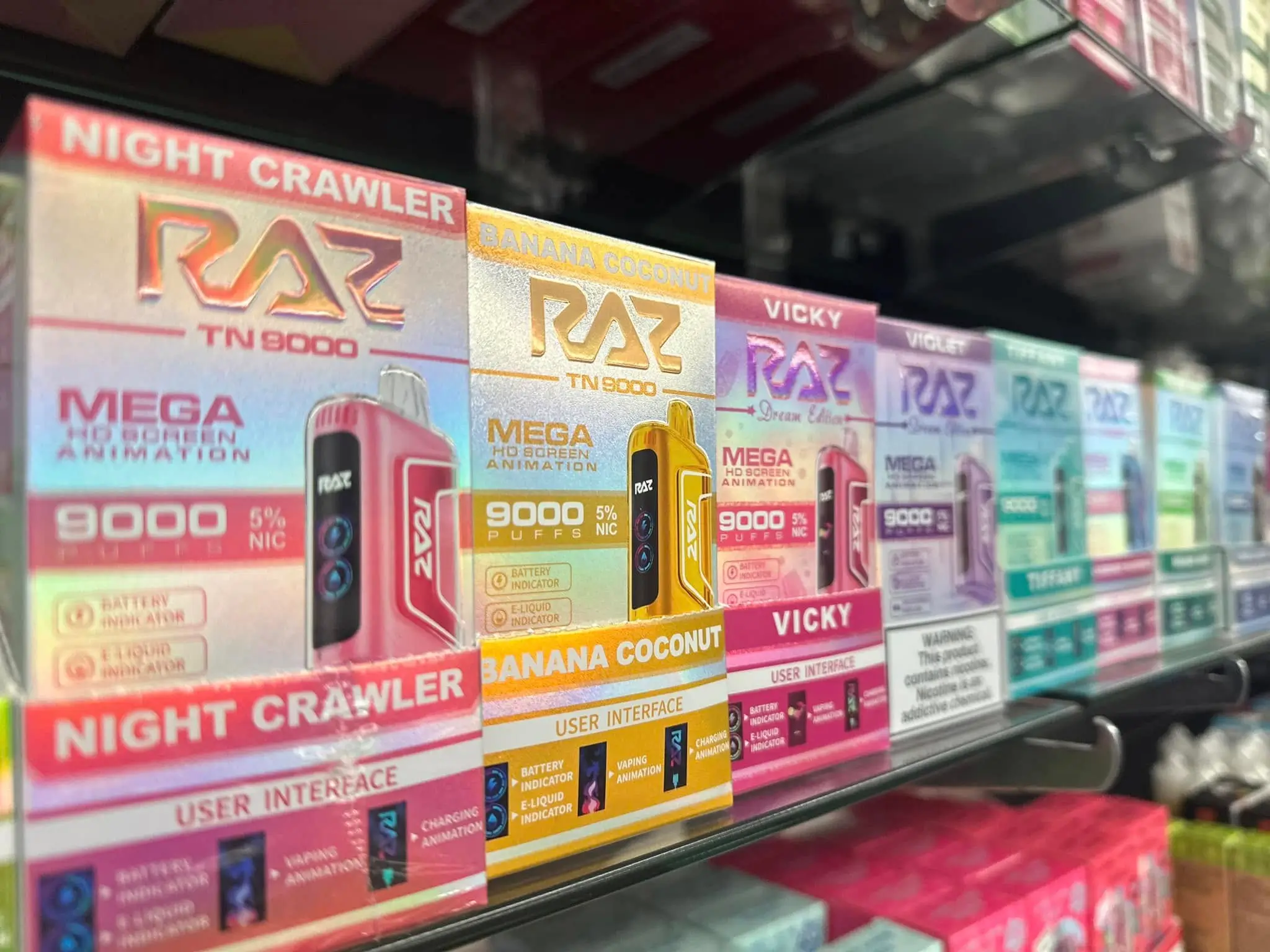
The world of disposable vapes in 2026 is a far cry from the cluttered, neon-lit counters of years past. Instead of sifting through piles of mystery boxes, you now find sleek, data-driven hardware. It feels more like a smartphone accessory than a simple nicotine delivery tool. Vapers across the USA have traded the “buy and hope” mentality for a demand for total transparency and high-performance specs. This year marks the moment when the industry stopped acting like a temporary fad and started operating with the permanence of a major consumer technology sector. Grasping this shift is the key to knowing exactly what you’re putting in your pocket and how the marketplace actually functions today.
The Core Identity of a Disposable Vape
Essentially, disposable vapes in 2026 are all-in-one (AIO) nicotine delivery systems built for portability and ease of use. Unlike traditional box mods, they don’t require separate batteries or tank adjustments. These devices come pre-filled with e-liquid and fully charged right out of the box. Users simply remove the silicone caps and inhale to activate the device. There are no buttons or complex settings to manage.
Nicotine Delivery and Ease of Use
Most disposable vapes in 2026 use nicotine salts, which provide a smoother hit at higher strengths. This design was meant to give smokers a familiar and low-stress alternative. It requires no prior knowledge of vaping hardware. Since the reservoir is sealed, there’s no risk of leaks or messy refills. This makes them ideal for people with busy lifestyles.
Internal Components and Functionality
Inside the compact chassis of disposable vapes in 2026 is a small lithium-ion battery. It connects to a heating coil wrapped in absorbent wicking material. When the user takes a draw, the battery powers the coil. The coil then vaporizes the e-liquid to produce flavorful vapor. Despite being labeled as disposable, many devices now offer thousands of puffs.
Lifespan and Market Importance
Once the liquid runs out or the battery reaches its limit, the device is discarded or recycled. This eliminates the need for long-term maintenance or costly hardware. Even with advanced features like screens and power modes, the core idea stays the same. Disposable vapes in 2026 remain simple, self-contained, and ready to use. This balance of simplicity and performance has made them a key part of the modern nicotine market.
Modern Hardware Standards
The “cheap” disposable is now a relic of the past. In 2026, the average device uses internal components that rival high-end mods. The line between a temporary gadget and a permanent vaping rig has almost disappeared.
This change comes from intense competition in global manufacturing centers. Companies compete to give American consumers more control over their daily habits. A device is no longer expected to simply work. It must also deliver detailed information to the user. At the same time, it needs to maintain strong durability and performance.
Smart Screens and Real-Time Monitoring
You won’t find many reputable disposable vapes in 2026 on the shelf or online these days without a crisp display. While early screens only showed a blinking light when the device ran out of power, the current standard uses OLED or high-contrast E-ink panels. These panels track all key data. They show remaining e-liquid and battery life, often down to a single percentage point. Some higher-end models of disposable vapes in 2026 also include puff timers and puff-strength indicators. These features help users track their intake throughout the day.
This level of feedback reduces the anxiety of a dead battery or a dry hit. It makes the experience more reliable for daily users. When users can see exactly how much juice is left, they can plan their day better. They also avoid sudden burnt tastes. Manufacturers now add haptic feedback to some screens. The device vibrates slightly when users change settings or when the battery reaches a critical level.It is a level of user interface design that makes the hardware feel premium rather than throwaway.
The Power of Triple-Mesh Coils
Flavor consistency used to be the biggest complaint in the industry, but the move to triple-mesh coils has largely solved that. By using three interconnected heating elements, the device can distribute heat more evenly across the wicking material. This prevents the hot spots that used to cause that burnt taste halfway through the life of a vape. Triple-mesh systems also create a much denser vapor, which satisfies the American craving for a punchy, flavorful hit.
It also allows the flavor profile to stay exactly the same from the very first draw to the moment the juice reservoir is empty. In the past, the flavor would slowly fade as the battery lost its punch, but the chips in these new devices regulate power flow to the coils with surgical precision. Even when your battery is at 5%, the coil receives the exact wattage needed to produce a full-flavored cloud. This technological leap has effectively ended the bad ending of the disposable life cycle.
Pulse Mode and Custom Vapor Output
One of the most popular features this year is the inclusion of Pulse or Turbo modes. These toggles allow you to change the wattage on the fly, switching between a smooth, battery-conscious mode and a high-intensity setting that fires both coils at once. This customization is a huge hit for those who want a discreet vape during the workday but a more robust experience when they are hanging out at home.
The technology managing these power surges is incredibly precise, ensuring that the battery stays stable and the coil never gets too hot to handle. It turns a simple one-way device into a versatile tool that adapts to your environment. Most devices in this category will also change the screen graphics when you enter a high-power mode, often switching to a racing or rocket theme to let you know you are using more juice. It adds a bit of fun to the functional side of the hardware.
The Digital Retail Divide
Many people still enjoy the social aspect of a local shop. However, a large portion of the market has now moved online. Buying disposable vapes in 2026 online feels very different from just a few years ago.
The industry has built new infrastructure to handle this shift. Companies now manage strict age verification systems. They also follow complex shipping restrictions. These rules nearly crippled the market in the early 2020s. Today, the online experience is defined by rigorous compliance and specialized logistics.
Shipping Logistics and the PACT Act
The primary hurdle for online vapers is the current state of the PACT Act and its impact on delivery. Major carriers like USPS, FedEx, and UPS have maintained their bans on shipping vapor products directly to consumers, which has forced the industry to innovate. In 2026, a network of private, “last-mile” delivery services has taken over the heavy lifting. Companies like X Delivery and other regional couriers have built a specialized grid specifically for high-compliance products, such as:
- Adult Signature Required: Every single online order requires an adult over 21 to be present to sign for the package—there are no exceptions.
- Shipping Hubs: Orders often move through specialized sorting facilities that are equipped to handle excise tax collection for different states.
- Delivery Windows: Because these are private couriers, delivery times can be less predictable than traditional mail, leading to the rise of “package tracking apps” that are specifically built for the vape industry.
- Compliance Fees: Vapers have learned to expect a shipping premium that covers the cost of these specialized couriers and the mandatory signature services.
Verification and Security
Online shops have also had to get much better at verifying who is on the other side of the screen. In 2026, the industry standard is third-party software that cross-references your information against public records in real-time. This is not a simple “check this box” system. Users often upload a photo of their ID. They also complete a facial recognition scan.
Some people see this as a hassle. However, businesses need it to stay operational in a strict regulatory environment.
These systems now work very fast. Most verifications take less than thirty seconds. This speed and accuracy has improved the industry’s reputation. It shows that online retailers take youth prevention seriously. It also reduces fraud by confirming identity before any nicotine products are shipped.
The Reality of High Capacity Claims
If you look at the packaging for the biggest releases this season, you will see numbers like 30K, 40K, or even 50K puffs. For lots of users, these figures sound like a wild exaggeration, and in some ways, they are. It is important to look at how these numbers are generated to ensure you’re getting the value you expect:
- Standardized Lab Testing: Most of these ratings are based on a machine taking very short, half-second puffs in a controlled environment.
- Real-World Usage: Since the average American vaper takes a much longer, deeper draw, the actual count is going to be significantly lower than what is printed on the side of the box.
- Wattage Factors: Using a high-power mode can cut your puff count by as much as 50% because it consumes twice as much liquid per hit.
- Airflow Settings: Keeping your airflow wide open tends to lead to bigger clouds and faster juice consumption, further shortening the device’s lifespan.
Marketing versus Liquid Volume
The best way to judge a device’s longevity is to look at the milliliter count of the e-juice. Puff ratings can be misleading. A device with 25ml of liquid will last much longer than one with 15ml, even if marketing says otherwise. We are now seeing Super-Disposables that hold up to 35ml of liquid. This amount can last a heavy user for several weeks.
This shift toward higher liquid volume has changed retail stocking strategies. Vapers now look for better value and longer-lasting devices. By focusing on reservoir size, buyers can better estimate how long a device will last. Larger reservoirs also create new technical challenges. Internal wicking systems must improve to keep performance stable. They also help prevent e-liquid from oxidizing or changing color over time.
The Impact of Boost Modes
Another factor that drains your puff count is the use of those high-intensity power modes. When putting a device into Pulse or Boost mode, you’re doubling the amount of liquid and battery power used for every hit. While the vapor is thicker and the flavor is more intense, you are cutting the lifespan of the device in half. Manufacturers are starting to be more honest about this, often printing two different puff ratings on the box: one for regular use and one for high-performance use.
This transparency helps vapers plan their purchases and avoid the frustration of a device that runs out of juice much faster than they anticipated. If you are a casual user, you might never need to leave the eco-mode, but for those who want that mod-like experience, the trade-off in longevity is usually worth it. It is all about having the choice, which is something that was sorely lacking in the earlier days of the industry.
Flavor Fidelity and Consumer Preference
Flavor is the engine that drives the entire market, and in disposable vapes in 2026, the focus has shifted from more flavors to better flavors. The American palate has become more discerning. Vapers no longer accept liquids that taste like artificial chemicals. They want profiles that are authentic, layered, and consistent throughout the life of the device. This has led to a major commitment to flavor chemistry and wicking technology across disposable vapes in 2026.
Popular Flavor Profiles and Trends
If you look at the sales data, fruit and ice profiles are still the undisputed kings of the hill. Combinations like Watermelon Ice, Blue Razz Ice, and Strawberry Mango are the baseline for every major brand. The ice factor—usually a synthetic cooling agent—is what provides that refreshing finish that many former smokers find satisfying. It adds a physical sensation to the vape that mimics the throat hit of a traditional cigarette without the harshness of burnt tobacco, which is why these profiles dominate disposable vapes in 2026.
Advanced Flavor Layering Technology
The difference this year is the complexity of these blends. Instead of just Watermelon, you might find a profile that has notes of candied watermelon on the inhale and a crisp, botanical finish on the exhale. This layering is possible because modern mesh coils can handle more complex flavor molecules without burning them. It creates a much more engaging experience that keeps the user from getting flavor fatigue, which’s when your taste buds become numb to a single, simple flavor after a few days. This level of sophistication has become a defining trait of disposable vapes in 2026.
Rise of Dessert and Cream-Based Flavors
Let’s not forget that for a long time, creamy and dessert-based vapes were hard to find in the disposable format. The early coils just didn’t have the surface area to properly vaporize the heavier, sweeter liquids used for custards and baked goods. However, the triple-mesh and dual-mesh systems of 2026 have changed all of that. We are seeing a massive resurgence in profiles like Banana Custard, Vanilla Bean, and even complex pastry flavors like Strawberry Donut. These richer profiles are a favorite for vapers who want something less candy-like and more sophisticated. The technology vaporizes these liquids at the perfect temperature. This brings out the creamy dessert-like mouthfeel. It also prevents coil clogging. It is a sign of a maturing market where manufacturers are finally able to deliver the same high-quality experience across every flavor category in disposable vapes in 2026.
The Global Connection
While the products are sold and used in the United States, the heartbeat of the industry remains in international engineering hubs. This global ecosystem is responsible for roughly 90% of the hardware that ends up on American shelves. It is a massive, high-tech network where hundreds of thousands of designers and factory workers collaborate to push the limits of what a small battery-powered device can do. The relationship between American brands and overseas manufacturing has matured into a professional partnership that prioritizes quality control and safety more than ever before.
Design Partnerships and Regional Tailoring
Presently, the collaboration between nations is more involved than just placing an order. American companies often have their own teams physically present in production hubs to oversee the development of new products. This is because the American market has very specific needs that aren’t always shared by the rest of the world. For instance, vapers in the USA tend to prefer larger devices with higher puff counts and more open airflow for bigger clouds.
By working directly with engineers, US brands can tailor everything from the tension of the draw to the brightness of the screen. This confirms that the final product feels like it was made specifically for an American consumer. It also allows for a more rapid response to feedback. If a certain model is having issues with a specific battery batch in Tennessee, the factory can make adjustments to the production line within days. This tight feedback loop is why the hardware has improved so quickly over the last few years.
Quality Control and Compliance Standards
Safety is a huge part of the conversation this year. Reputable brands now use rigorous testing protocols that go far beyond early industry standards. They test every batch of devices for battery stability, coil resistance, and e-liquid purity before it leaves the factory floor. This step is especially important for products shipped to the U.S. State registry laws and FDA scrutiny are strict. They can quickly damage a company’s reputation. A single bad batch can trigger a total product ban and remove a brand from the market.
We’re also seeing more “Assembled in USA” branding. Companies produce the main components overseas. They complete the final liquid filling and packaging in the United States. This setup gives companies better control over the most sensitive part of the product: the e-liquid. By filling devices in the U.S, brands can use locally sourced flavors and nicotine. This also adds an extra layer of trust for consumers. It is a smart way to bridge the gap between global manufacturing efficiency and domestic quality standards.
Domestic Regulatory Realities
Currently, being a vaper in the U.S. means dealing with a complex patchwork of state and federal laws that dictate what you can buy and where you can buy it. The regulatory landscape has shifted from a period of maybe to a period of strictly enforced. For the average person, this means that the selection in a shop in Virginia might look very different from a shop in Pennsylvania. Awareness of these local dynamics is crucial for anyone who wants to stay on the right side of the law while still enjoying their favorite profiles.
One of the biggest stories this year is the explosion of state-level vape registries. States like Alabama, Mississippi, Louisiana, and Florida have followed Virginia’s lead by creating legal lists of products allowed for sale. If a brand is not on that list, it cannot be sold in that state, and retailers risk massive fines if they carry unlisted inventory. Lawmakers designed these rules to clear out the grey market and ensure that every product on store shelves has at least filed a Premarket Tobacco Product Application with the FDA. So, things such as:
- Retail Compliance: Shop owners must check the state registry website every time they place a wholesale order to avoid legal trouble.
- Brand Consolidation: Smaller brands that can’t afford the legal fees to stay on these lists are disappearing, leaving the market to the big players.
- Consumer Access: Vapers in registry states often find their favorite brands are suddenly unavailable, forcing them to switch to a more compliant alternative.
- Law Enforcement: Many states have empowered local law enforcement to conduct vape stings to ensure only authorized products are being sold.
Now, at the federal level, the FDA continues to move through its backlog of applications. A major milestone this year was the authorization of several menthol-flavored products. For years, regulators only authorized tobacco-flavored vapes. This did not sit well with most vapers. Many preferred more refreshing flavors. The inclusion of menthol in the authorized category has provided a legal pathway for one of the most popular profiles in the country.
While still waiting for a clear path for fruit and candy flavors, the shift toward menthol authorization shows that the agency is beginning to recognize the importance of variety for vapers who are trying to switch. Regulators have approved only a limited range of products. Most approved options include pod-based systems and specific disposable devices. These products must meet strict safety data requirements. This move has given the industry a bit more stability, as manufacturers now have a clearer template for what a successful application looks like. It’s a slow process, but the progress made suggests that a fully regulated and diverse market is finally within reach.
Environmental Accountability
As the popularity of disposables has skyrocketed, so has scrutiny over their environmental footprint. The industry is no longer ignoring the disposable problem. There is now a strong push toward sustainable designs and recycling programs. These efforts aim to reduce plastic and lithium-ion waste in landfills. This shift is not just marketing. It is becoming essential for long-term survival as regulators enforce stricter e-waste rules.
Shift Toward Modular and Sustainable Designs
One of the most notable trends is the move away from one-piece devices. Many top brands in the USA now offer modular systems. These devices use a rechargeable battery base that lasts for months. Users only replace the pre-filled e-liquid pods when empty. This design reduces waste since the battery is not discarded.
This change has been widely accepted by environmentally conscious users. Many previously felt guilty about throwing away working batteries. It also benefits manufacturers by lowering long-term production costs. Companies are investing in better battery systems instead of full disposable units. Recycled plastics and biodegradable materials are also becoming more common.
Recycling Programs and Retail Responsibility
Beyond product design, disposal practices are also improving. Many vape shops now offer take-back bins for used devices. Customers can return old vapes for proper recycling. Some stores even offer discounts or loyalty rewards in return. These collected devices are sent to specialized e-waste facilities.
At these facilities, materials like lithium, cobalt, and aluminum are recovered. They are reused in new manufacturing cycles. This helps reduce overall environmental damage. It also encourages customers to dispose of devices responsibly instead of throwing them away.
Industry Impact and Future Direction
This community-driven approach is changing how vaping waste is handled. It helps people see vapes as electronic devices, not trash. Retailers also benefit by building stronger customer relationships. The industry is showing it can self-regulate effectively. This reduces pressure for strict government bans. Overall, it is a positive shift for users, businesses, and the environment.
Value and Economics
One of the most frequent questions people ask is whether these high-tech disposables are actually worth the price. With all the new features like screens, power modes, and regulatory fees, the cost of a single device has certainly gone up. However, the value proposition is still very strong for the average vaper, especially when you compare the cost-per-puff to other nicotine delivery systems.
A Quick Look at Pricing Tiers
The market has settled into three distinct pricing tiers that cater to different types of users:
- Compact Vapes (5k-10k Puffs): Perfect for social vapers or those who want a discreet backup device. These are the most affordable but lack advanced screens.
- Standard Performance (15k-25k Puffs): This is where most of the action is, offering a solid balance of tech, flavor consistency, and longevity.
- Super-Disposables (30k+ Puffs): These push past the month-long mark and include every feature imaginable, from triple coils to full-color displays.
While the upfront cost of a Super-Disposable might seem high, it often replaces what would have been three or four smaller vapes just a few years ago. This consolidation saves you money in the long run and reduces the frequency of your trips to the shop. American consumers are increasingly moving toward these higher-capacity options because they realize the long-term savings are significant. It is a shift in mindset from spending less currently to getting more for your dollar over the next month.
Cost Comparison to Traditional Tobacco
Even with the new taxes and regulatory hurdles, vaping remains a much more affordable option than traditional cigarettes in most states. A single high-capacity disposable that lasts for two weeks is often cheaper than a few packs of cigarettes, which might only last a few days for a pack-a-day smoker. This economic reality is a major factor in why so many adults continue to make the switch.
Manufacturers are also getting smarter about their packaging and shipping, finding ways to keep costs down without sacrificing quality. By focusing on larger reservoirs and more efficient batteries, they can deliver more value in a single box. For the budget-conscious consumer, the current market offers more choices than ever before, allowing you to find a device that fits both your nicotine needs and your financial goals. It is a competitive market, and that competition is working in favor of the consumer’s wallet.
Future-Proofing the Disposable Vaping Experience
The progress we see at the moment represents more than just better batteries or tastier liquid; it is the final transition of vaping from a niche subculture to a standardized consumer category. By embracing transparency through smart hardware and engaging with the realities of U.S. law, the industry has secured its place in the broader landscape of harm reduction. This year will likely be remembered as the moment the disposable vape became a high-tech tool, proving that convenience and quality can indeed exist in the same pocket-sized package. It’s an era where the user is finally in the driver’s seat, armed with all the data they need to vape on their own terms.