
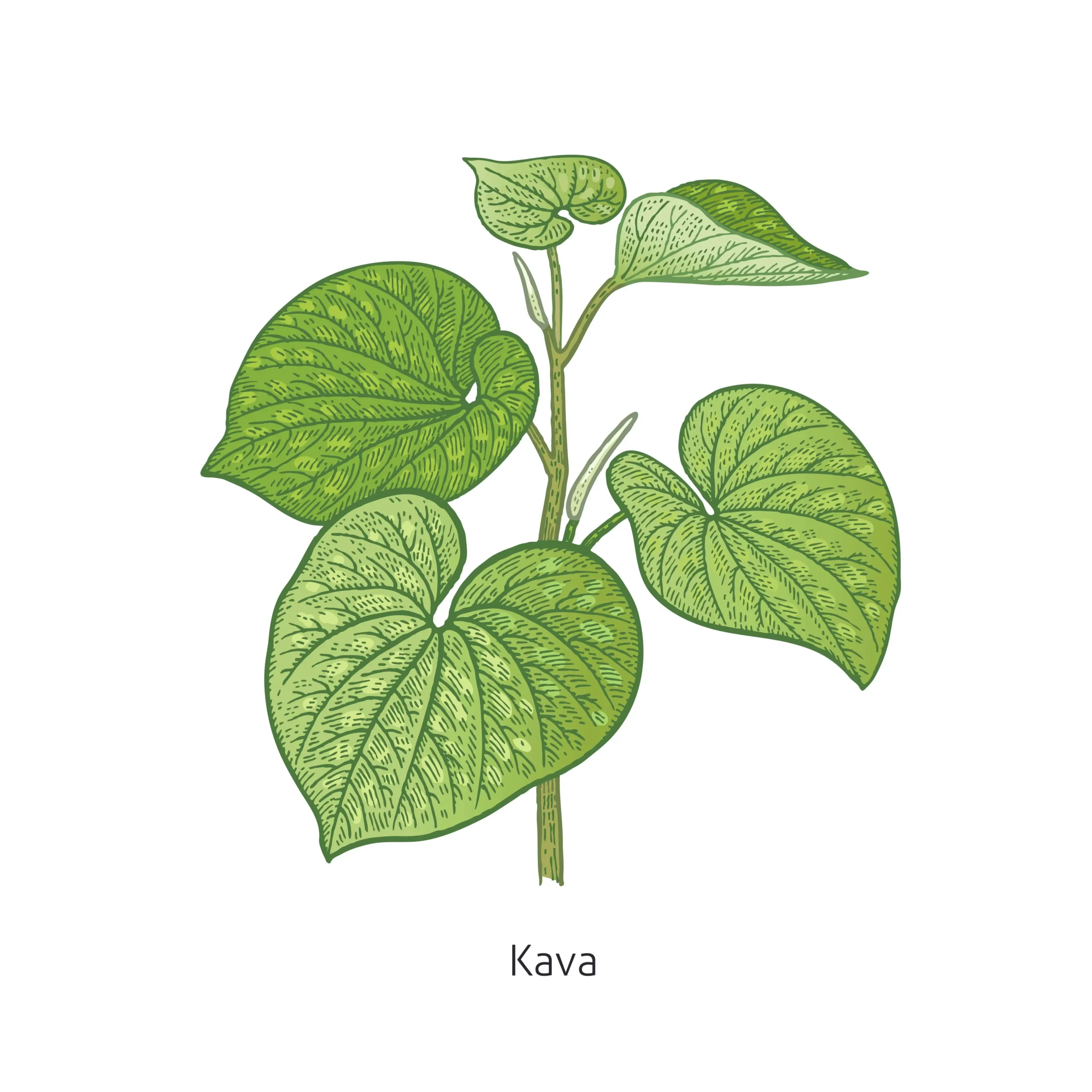
Gathering around a wooden bowl under the vast, starlit canopy of the South Pacific, travelers often encounter a beverage that tastes of the earth and leaves a curious tingle on the tongue. Known for its unique kava benefits and effects, this traditional drink, prepared from the crushed roots of a pepper plant which has served as the social glue for island nations for thousands of years. While the rest of the world has long relied on more abrasive substances to facilitate social bonds, the people of Oceania have embraced the quiet, clear-headed relaxation found in this ancient botanical. Today, that same plant is finding a new home in modern life, moving from village ceremonies to urban lounges. To truly appreciate why this root is capturing global attention, one must look beyond the cup and understand its deep cultural heritage and distinctive chemistry.
The Cultural Genesis of the Pacific Pepper
Kava’s history is deeply tied to the volcanic soil and maritime culture of the Pacific Islands. For over three thousand years, the people of Vanuatu, Fiji, Tonga, and Samoa have cultivated Piper methysticum as more than just a crop. It holds a central place in their social and spiritual lives. In these communities, the root acts as a silent mediator. It is offered to settle disputes, shared at weddings, and used to connect the living with their ancestors. The traditional ceremony, often held in a communal space called a “Nakamal” in Vanuatu, reflects quiet respect. These practices also highlight the cultural roots behind modern interest in kava benefits and effects. Unlike loud Western social settings, a kava circle is calm. Conversation flows slowly and meaningfully.
This preference for harmony reflects the nature of the plant itself. Preparation is a mindful process. Practitioners pound fresh or dried rhizomes into a pulp, then mix it with cool water. The liquid is strained through coconut fiber or cloth, creating a muddy-looking brew with deep meaning. Drinking from a “bilo,” a half-coconut shell, is part of the ritual. In Fiji, the “sevusevu” ceremony allows visitors to respectfully enter a village. It shows how the root serves as a diplomatic tool. These traditions also shape how people understand kava benefits and effects today. The plant remains a symbol of peace and unity across Oceania.
The Botany of the “Intoxicating Pepper”
To understand the plant, one must look at its unique place in the botanical world. Kava is a sterile cultivar that cannot reproduce through seeds. It depends entirely on human care. Every plant in the Pacific is a clone, grown from cuttings placed in rich, well-drained soil. This creates a deep connection between the plant and the people who carried it across the islands. Its journey mirrors human migration by canoe. A plant typically takes four to five years to mature. During this time, it develops the compounds responsible for its unique properties. These natural processes help explain the growing global interest in kava benefits and effects.
Farmers divide their harvest into two main types: Noble and Tudei. This distinction is critical. Noble varieties are selected over centuries for their smooth and pleasant effects. They do not cause lingering heaviness and are the most widely used. In contrast, Tudei, or “two-day” kava, grows faster and can be more potent. However, it often leads to prolonged sluggishness. For a balanced and enjoyable experience, Noble kava is the better choice. This focus on quality shapes how people experience kava benefits and effects today.
The Chemistry of Tranquility
What sets Kava apart from every other botanical in the world is a group of compounds known as kavalactones. There are eighteen different kavalactones identified in the root, but six of them are responsible for nearly all the effects we feel. These six major lactones—kavain, dihydrokavain, methysticin, dihydromethysticin, yangonin, and desmethoxyyangonin—work in a beautiful chemical harmony. Each cultivar of the plant has a unique “chemotype,” which is a six-digit code representing the concentration of these lactones. By reading this code, an enthusiast can predict if a specific batch will be light and social or deep and physically relaxing.
The interaction between these compounds and the body is fascinating because it maintains a clear head while relaxing the limbs. Kavain is often the most sought-after lactone for daytime use, as it imparts a sensation of mental brightness and social warmth. Meanwhile, dihydrokavain is associated with a more pronounced physical relaxation, making it ideal for the evening. This synergy ensures that the experience feels natural. Because the root targets different pathways than synthetic relaxants, it avoids the typical pitfalls of cognitive clouding or loss of coordination. Instead, it offers a state of “alert relaxation,” where one feels fully present yet completely at ease with their surroundings.
Navigating the Sensory Arc
The first encounter with a traditional Kava beverage is often a surprise for the senses. The flavor is undeniably earthy, sometimes described as having a peppery bite with hints of bitter wood and spice. It is an acquired taste, but one that regular drinkers come to associate with the onset of well-being. The very first sign that a batch is high-quality is a slight numbing of the lips and tongue. This local anesthetic effect is a hallmark of the kavalactones and serves as a physical indicator that the active compounds are doing their job. As people consume the liquid, the experience unfolds in a series of predictable stages.
The initial phase is often “heady.” During this time, the world seems a bit softer, and the desire to engage in meaningful conversation increases. Social barriers seem to thin out, allowing for a more genuine connection with others. As the session continues, the experience shifts into the “heavy” phase. People experience this as a pleasant weightiness in the muscles and a desire to settle into a comfortable chair. This transition makes the root an ideal companion for the transition from a busy workday to a peaceful evening. Interestingly, the concept of “reverse tolerance” means that new users might not feel the full effects during their first few sessions. The body often needs a period of adjustment to become sensitive to the lactones, making the relationship with Kava a long-term commitment rather than a one-off event.
Strains and Regional Personalities
Just as coffee or wine varies by the soil and climate in which it grows, Kava exhibits distinct regional personalities across the islands. Exploring these varieties is one of the most enjoyable aspects of the hobby, as it allows the consumer to tailor their experience to their specific needs:
- Vanuatu Borogu: This is a classic, balanced Noble variety. People widely consider it the “workhorse” of the industry because it delivers a reliable mix of social uplift and physical relaxation. It is a fantastic starting point for anyone looking to explore the root without leaning too far into one extreme or the other.
- Tongan Pouni Ono: If you are looking for a daytime variety, this is it. Tongan Kavas are famous for being light, easy to drink, and exceptionally “heady.” They encourage a cheerful, buoyant mood that is perfect for creative work or social gatherings.
- Fijian Waka: In Fiji, “Waka” refers to the lateral roots, which are higher in kavalactones than the main stump. This results in a potent, creamy brew that is known for its smooth onset and balanced profile. It is a staple of the Fijian social scene and a favorite among international enthusiasts.
- Hawaiian Mahakea: Hawaii has a rich history of Kava cultivation, and Mahakea is one of its most prized cultivars. It offers a mild, approachable flavor and a gentle, soothing effect, making it a sophisticated choice for a quiet night of reflection.
Global Regulation and the Path to Safety
The international journey of kava has been complex. It has faced periods of misunderstanding, followed by scientific validation. In the late 1990s, safety concerns emerged in Europe. These led to temporary restrictions on the root. Later research told a different story. It showed that most issues came from poor manufacturing practices. Some companies used non-noble varieties or added leaves and stems, which consumers should not ingest. Traditional Pacific methods use only the roots of Noble plants. This standard is now widely accepted. It also plays a key role in shaping how people understand kava benefits and effects today.
Today, the regulatory landscape is more favorable. In the United States, kava is sold as a dietary supplement. The FDA recognizes it as safe when prepared traditionally. Kava bars are also becoming more common in major cities. These spaces offer a calm, sober alternative to nightlife. They focus on relaxation, conversation, and community. This modern shift highlights the growing interest in kava benefits and effects. At the same time, better quality control and transparent sourcing give consumers more confidence in what they are buying.
The Modern Marketplace: Evolution of Delivery
The shift from traditional rituals to modern retail has changed how people access this botanical. While the classic bowl and strainer bag remain important, new formats now suit faster lifestyles. These options aim to preserve the active compounds while reducing prep time and strong earthy taste. Together, they highlight the growing appeal of kava benefits and effects in everyday life.
Drinks & Beverages
This category ranges from traditional medium-grind powder to instant mixes and carbonated drinks. Traditional powder requires kneading in a strainer bag. In contrast, instant kava dissolves easily in water. Ready-to-drink options often include fruit juices or botanicals like ginger and hibiscus. These help mask the bitter flavor and create a smoother experience.
Shots
Kava shots are small, concentrated liquid servings. Manufacturers design them for quick and convenient use. Many brands standardize them to contain a set amount of kavalactones. This makes them a popular option for on-the-go relaxation or pre-social use.
Tinctures
Usually formulated with a glycerin or alcohol base, tinctures offer a high degree of precision and portability. They are designed to be taken sublingually or added to a beverage of choice, allowing the user to adjust their intake drop by drop. This format is favored by those who use the root as a utilitarian tool for wellness rather than a social ritual.
Capsules
For individuals who prefer to avoid the taste of the root entirely, capsules are the most efficient option. They contain ground root or concentrated extract in a convenient pill form, allowing for a consistent dose that can be easily integrated into a daily supplement routine. This is the ultimate method for discreet, mess-free consumption.
Edibles (Gummies and Candies)
Edibles, especially gummies, are growing in popularity. They combine kava extract with sweet flavors, making them enjoyable and easy to consume. Candies and mints are also common. They allow slower absorption and often create a mild numbing sensation.
Disposable Vape Pens
Representing the most modern delivery method, these pens use highly refined kava extracts that users vaporize and inhale. This method sends kavalactones into the bloodstream through the lungs, producing a nearly instantaneous effect. Although the experience usually lasts less time than ingestion, it delivers unmatched convenience and speed compared to traditional beverages.
Kava Truly Provides a Respectful Connection That Continues to Expand
Adopting Kava into a modern lifestyle is about more than just finding a new way to relax; it is about participating in a heritage of harmony that has lasted for thousands of years. This unique root facilitates a rare kind of social ease where the mind remains sharp while the spirit finds a profound sense of tranquility. By honoring the traditional standards of quality and exploring modern ways to integrate these benefits into our lives, we keep the vibrant heart of Oceania beating in every cup and every quiet moment of reflection.